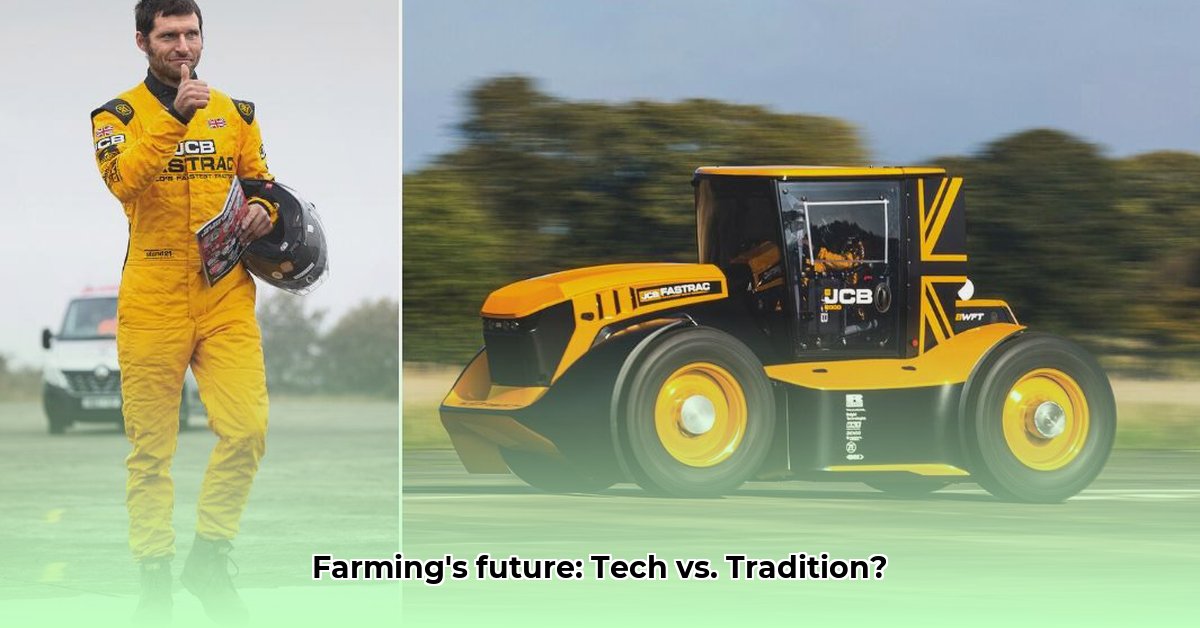
Guy on Tractor: The Future of Farming is Here
The iconic image of a farmer on a tractor remains a powerful symbol of agriculture. However, modern farming is undergoing a technological transformation, impacting how we produce food and interact with the environment. This isn't about robots replacing farmers; it's about providing them with powerful new tools to enhance efficiency and sustainability. The "guy on the tractor" is evolving into a skilled manager of sophisticated farming systems, expertly blending traditional knowledge with cutting-edge technology. This shift promises to increase yields, reduce waste, and minimize environmental impact. But how can we ensure that technological advancements benefit all farmers, particularly those working on smaller scales? For more on modern tractors, check out this New Holland Utility Tractor information.
How can we leverage technology without compromising the deep-rooted connection between farmers and their land?
Sustainable Tech: Making Farming Smarter
Sustainable agriculture prioritizes maximizing output while minimizing environmental impact. Technological advancements play a crucial role in achieving this. Consider these key innovations:
GPS Guidance Systems (Global Positioning System): These systems provide precise tractor guidance, optimizing planting and spraying. By eliminating overlaps, they conserve seeds, fertilizers, and pesticides, reducing waste and lowering environmental impact. Think of it as a highly accurate "autopilot" for farming, boosting efficiency and sustainability.
Variable Rate Technology (VRT): This system adjusts tractor settings (fertilizer, pesticide application) based on real-time soil conditions. It’s like providing a customized plan for each field section, ensuring resources are used only where needed, minimizing waste and maximizing impact. This translates to significant cost savings and environmental benefits.
Automated Machinery and Robotics: Self-driving tractors and robotic tools are increasingly common. These technologies enable around-the-clock operation, even during challenging weather. Farmers can thus dedicate more time to strategic management, while technology handles the labor-intensive tasks – improving both output and productivity.
Data Analytics and Smart Sensors: Modern farms generate substantial data: soil moisture, crop health, and more. Sensors collect this information, and sophisticated software analyzes it, providing farmers with real-time insights. This allows for early problem detection, ensuring prompt responses and preventing significant crop losses, creating a proactive and efficient management system.
These technologies are revolutionizing sustainable farming by reducing waste, optimizing resource management, and enhancing yields.
The Challenges and Opportunities of High-Tech Farming
While the potential is immense, adopting new technologies presents challenges. Initial investments can be expensive, especially for smaller farms. Reliable high-speed internet and data infrastructure are also crucial, particularly in rural areas. However, governmental incentives, training programs, and collaborative research are actively addressing these obstacles, creating more accessible and affordable solutions for diverse-sized farms.
How to Implement Precision Agriculture Technologies for Smallholder Farmers
This section will specifically address the implementation challenges and solutions for smaller farms. To maximize the benefits of precision agriculture (PA), several key steps are crucial:
Comprehensive Assessment: Begin with a thorough assessment of the farm's unique needs and challenges (climate, soil, resources, existing practices). This forms the basis for a tailored PA strategy.
Targeted Training: Invest in comprehensive training programs covering both the practical application and data interpretation aspects of the technology. Ongoing support is vital for long-term success.
Infrastructure Development: Reliable internet access is paramount. Efforts to upgrade internet infrastructure in rural areas are often crucial to successful adoption.
Seamless Integration: PA should enhance, not replace, traditional farming practices. Integrating technology with existing knowledge ensures a smooth and effective transition.
Collaborative Partnerships: Farmer cooperatives can share resources, expertise, and reduce costs, effectively building local capacity and expertise.
Secure Data Management: Establishing robust data security and privacy protocols is essential for ethical practices and maintaining trust.
Supportive Policy Environment: Government policies can provide crucial support through subsidies, incentives, and infrastructure development.
These steps, when carefully executed, can unlock the transformative potential of PA for smallholder farmers.
The Future of Farming: A Human-Tech Partnership
The farmer on the tractor is not being replaced; they are being empowered. Investing in sustainable technology elevates farmers to skilled managers of advanced systems, leading to increased efficiency, reduced environmental impact, and enhanced profitability. The combination of human expertise and technological innovation is shaping a more resilient and sustainable agricultural future. While challenges remain, the direction is clear: a future where technology and tradition work in harmony to deliver abundant food while safeguarding our planet. The "guy on the tractor" is evolving, and this evolution is vital for a sustainable future.